
Lindsay Rogozen-Feuer
Teens · Adults · Couples
ADHD & neurodivergence, LGBTQ+ identities, Disability & chronic illness, Anxiety, depression & trauma, Grief & life transitions
View Lindsay’s profile →Email Lindsay ↗Grief Counseling · California
Are you struggling to accept that someone or something important is gone?
Do waves of sadness, anger, guilt, or longing arrive when you least expect them?
Does your body feel exhausted, heavy, restless, or physically overwhelmed?
Do you feel pressure to return to normal when your life no longer feels normal?
Are other people moving on while you feel left alone with what happened?
Grief is one of the hardest things we feel. It can affect your emotions, your body, your relationships, and your ability to manage daily life.
You might forget appointments, lose track of conversations, or struggle to make simple decisions. You may feel numb one moment and overwhelmed the next. Sleep and appetite can change. Your chest may hurt. Your body may feel weak, agitated, nauseated, or unbearably heavy.
Perhaps you are going through the motions at work or caring for other people while privately feeling as though your life has fallen apart. You may want company and also find it exhausting to be around anyone. Even ordinary questions such as “How are you?” can be difficult to answer.
Grief can also bring complicated feelings. You may feel angry with the person who died, relieved that suffering has ended, guilty about something you said or did, or resentful that other people still have what you lost. None of this means you loved inadequately or are grieving incorrectly.
You may not be able to change what happened. But with compassionate support, you can begin to carry the loss without being overwhelmed by it every day.
Grief is not a weakness or a failure to cope. It is a human response to losing someone, something, or some future that was important to you.
You may be grieving:
Loss does not have to involve a death to create profound grief. And even when two people experience the same loss, they may respond very differently.
People may offer support immediately after a loss but become less available as time passes. You may begin to receive subtle messages that you should be doing better, focusing on the positive, or getting back to normal.
But grief does not follow a neat timeline. It may come in waves. It can soften and then return around an anniversary, milestone, familiar smell, or ordinary moment when you instinctively reach for someone who is no longer there.
You do not need to “get over” your grief. You need enough room and support to experience it, understand it, and gradually build a life around what has changed. Grief counseling can give you a place to do that without being rushed, corrected, or asked to make your pain easier for other people to tolerate.
Therapy cannot make the loss unimportant, and that is not the goal. Grief counseling can help you find a way to remember, feel, function, and live without being consumed by the loss.
At Sessions Therapy, we begin by understanding what happened, what or whom you lost, and what is making this period especially difficult. We do not assume that everyone grieves in the same way or move you through a predetermined series of stages.
Your therapist will meet you where you are. Early sessions may focus on helping you feel less overwhelmed and making daily life more manageable. We might explore what happens when a wave of grief arrives, what your body needs, and where you feel most alone or unsupported.
As therapy continues, we may help you:
We take a whole-person approach to grief. Rather than treating your feelings as isolated symptoms, we look at how the loss intersects with your history, your relationships, your beliefs, your body, and the circumstances of your life.
Some losses are also traumatic. A death may have been sudden, violent, preventable, or deeply disturbing. You may have witnessed suffering, found the person who died, made impossible medical decisions, or received information in a shocking way. Perhaps you are left with unanswered questions or believe you should have done something differently.
When grief and trauma become intertwined, you may repeatedly relive what happened. You might experience intrusive images, nightmares, panic, numbness, or a constant expectation that something else will go wrong. You may avoid reminders or find that you cannot access loving memories without returning to the worst moments.
Traumatic grief often requires specialized intervention. Time and emotional support may not be enough when your nervous system remains caught in the traumatic experience.
Our therapists draw from trauma-informed approaches to help you process what happened without forcing you to tell the entire story before you are ready. We can help your nervous system recognize that the event is no longer happening, so the traumatic moments do not continue to dominate your relationship with the person or life you lost.
The goal is not to make you forget. It is to help the memory become something you can carry without repeatedly reliving it.
You may have learned to make your story shorter, soften the painful parts, or reassure other people that you are doing better. You may worry that your grief is too intense, too complicated, or has lasted too long.
Our therapists understand that grief can include despair, rage, numbness, confusion, resentment, relief, love, and even laughter. We can stay with the depth of your experience without rushing you toward acceptance or asking you to find something positive in what happened.
Grief is natural, but that does not mean you have to endure it alone. For most of human history, people grieved within communities and shared rituals. Many people no longer have that kind of sustained support.
You do not have to wait until you cannot function to seek therapy. Counseling may help if you feel alone, overwhelmed, stuck, or simply need one place where you can speak honestly about your loss.
Grief counseling is not about forgetting someone or leaving them behind. Your relationship with someone who died can continue, even though its form must change.
Therapy can help you decide how you want to remember, honor, and remain connected to that person while also participating in the life that is still here. Moving forward does not have to mean moving on.
There is no expiration date on grief. A loss may become newly painful because of an anniversary, another death, a family milestone, or a change in your own life. Sometimes people survive the immediate aftermath by doing what had to be done and only begin to feel the full impact much later.
You are allowed to seek support whenever you need it. It is not too late to work with a loss that continues to affect you.
Your grief reflects that someone, something, or some hoped-for future mattered to you. You do not have to minimize the loss, defend your feelings, or grieve according to someone else’s timeline.
Sessions Therapy offers online grief counseling for adults throughout California. Schedule a complimentary 15-minute consultation to ask questions, learn more about our approach, and find a therapist who may be a good fit.
Choose a therapist for a free 15-minute call, or send us an email.
Teens · Adults · Couples
ADHD & neurodivergence, LGBTQ+ identities, Disability & chronic illness, Anxiety, depression & trauma, Grief & life transitions
View Lindsay’s profile →Email Lindsay ↗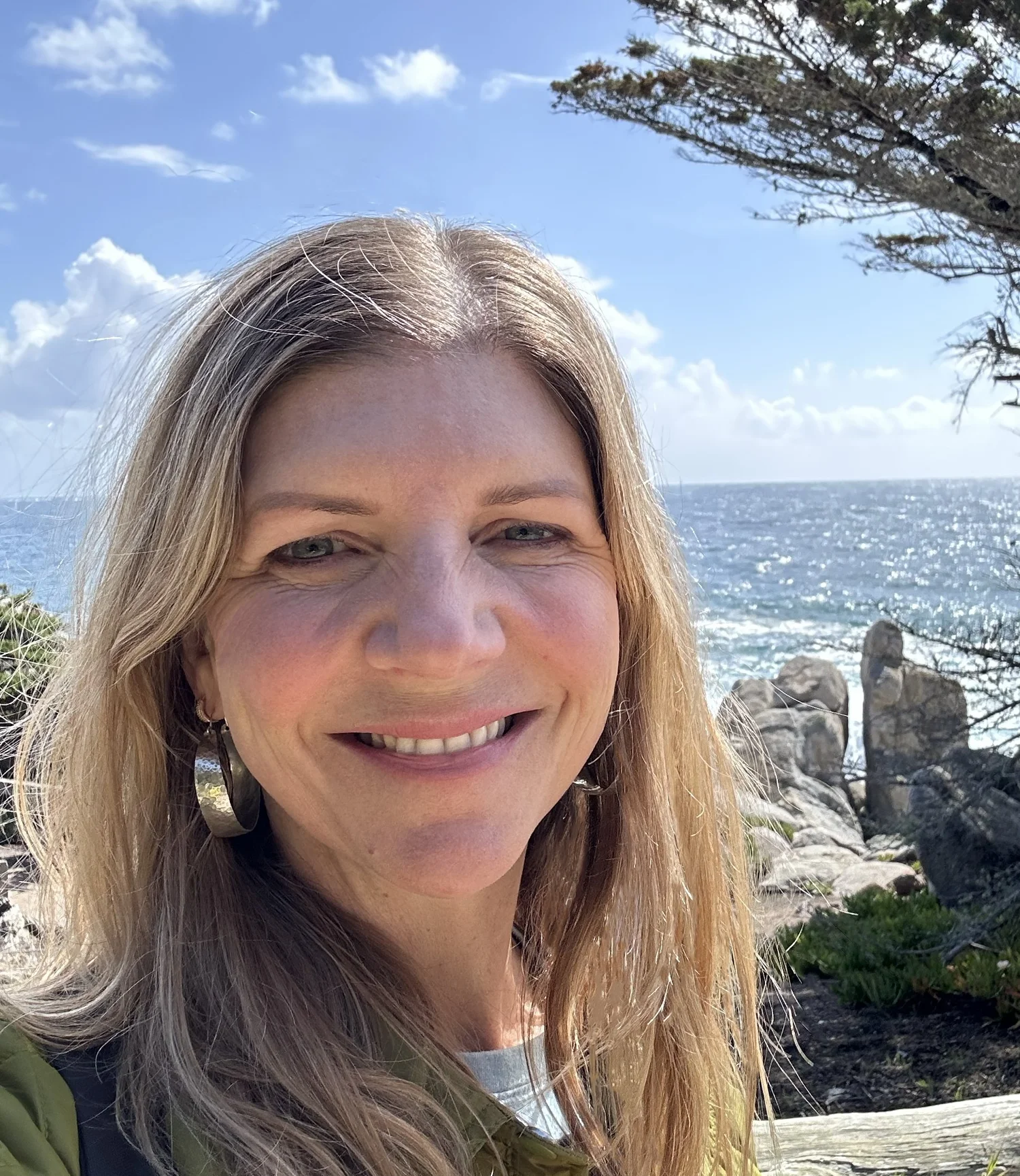
Children · Teens · Adults · Couples
Parents of children with disabilities, Teens & families, Neurodivergence, Addiction & recovery, Chronic pain, trauma, anxiety & depression
View Amy’s profile →Email Amy ↗Email links open a draft addressed directly to your chosen therapist. Please leave out sensitive or detailed health information.