
Lindsay Rogozen-Feuer
Teens · Adults · Couples
ADHD & neurodivergence, LGBTQ+ identities, Disability & chronic illness, Anxiety, depression & trauma, Grief & life transitions
View Lindsay’s profile →Email Lindsay ↗Trauma Therapy · California
It can look like anxiety you cannot explain, depression that keeps returning, or a body that never fully relaxes. You may shut down during conflict, work constantly, avoid asking for help, or take responsibility for everyone around you. You may know intellectually that you are safe while some part of you remains braced for what could happen next.
Perhaps you survived violence, abuse, an accident, or a sudden loss. Or perhaps your trauma developed over years of criticism, neglect, instability, discrimination, or having to become the person your family needed.
You may minimize what happened because other people had it worse. You may function well and wonder why the past still has so much influence. You may not call it trauma at all. You only know that certain situations or relationships affect you more deeply than you think they should.
Your reactions are not proof that you are weak, damaged, or unwilling to move on. They are signs that your mind and body adapted to experiences you could not safely process at the time.
Trauma therapy can help those adaptations loosen their hold.
Trauma is also what your nervous system had to do to help you survive what happened.
You may have fought back, escaped, frozen, shut down, stayed agreeable, or learned to anticipate other people’s needs. You may have disconnected from your body or emotions because feeling everything would have been overwhelming. These responses were not chosen failures. They were intelligent attempts to protect you.
The problem is that survival responses do not always end when the danger ends. Your system may continue reacting to present-day situations as though the past is happening again.
Some trauma comes from a single overwhelming event. Other trauma develops through repeated experiences or relationships in which safety, care, or choice were missing.
Trauma may be:
Trauma can affect how you relate to yourself, other people, the larger world, and your future. It may shape what you believe you deserve, whom you trust, and whether closeness feels comforting or dangerous.
Anxiety may keep you scanning for danger. Depression may numb pain that once felt unbearable. Perfectionism may reduce the risk of criticism. People-pleasing may preserve connection. Dissociation may help you get through an experience you cannot escape.
Understanding the purpose of these responses does not mean you have to keep living with them. It gives us a more useful place to begin. Instead of asking, “What is wrong with me?” therapy helps you understand what happened, how you survived it, and what you need now.
Trauma treatment is not about erasing your memories or pretending that painful experiences made you stronger. It is about reducing the power those experiences have over your present life.
At Sessions Therapy, we take a collaborative, trauma-informed approach. You will not be pushed to disclose more than you want to share or asked to retell every detail before you are ready. Good trauma therapy is not measured by how distressed you become in session.
We begin with what is happening now: what feels unmanageable, what helps you feel steady, and what happens when you become overwhelmed, shut down, or disconnected.
Insight can help, but trauma is not held only in the part of the mind that understands words. It can also appear through physical sensations, emotional reactions, impulses, images, beliefs, and protective parts of the self.
Depending on your needs and your therapist’s training, treatment may draw from EMDR, Internal Family Systems and other parts-based approaches, somatic work, expressive arts, mindfulness, relational therapy, and practical regulation skills.
Different approaches address different parts of the problem. Regulation skills can help you stay present when emotions intensify. Parts work can help you understand inner conflict without treating any part of you as the enemy. Somatic approaches attend to how survival responses live in the body. EMDR can help the brain process memories that continue to feel immediate rather than completed.
Moving slowly does not mean avoiding the work. Preparation is part of trauma treatment.
Before processing difficult memories, we make sure you have enough support and enough ability to return to the present. We pay attention to your responses and adjust when something is too much—or when therapy has become so cautious that nothing is changing.
You remain involved in decisions about the focus, pace, and methods of treatment. We bring clinical knowledge and honest feedback. You bring knowledge of your life, your limits, and what matters to you.
No. We need enough information to understand what you are experiencing and work safely, but you do not have to give a detailed account of every event. Some trauma methods do not require describing all the details aloud. You decide what you disclose.
You do not need to prove that your experience was severe enough. We can examine how it affects you without forcing it into a particular label. The impact matters more than whether your history fits someone else’s definition.
Previous therapy may have helped you understand your history without changing the automatic responses connected to it. Or it may have treated anxiety, depression, or relationship problems without addressing the trauma underneath. That does not mean you cannot heal. You may need a different focus, method, pace, or therapeutic relationship.
Trauma work can bring up difficult emotions, particularly when it moves too quickly or without enough preparation. That is why pacing and consent matter. We will not treat distress as proof that therapy is working. The aim is to process what happened while maintaining enough stability to live your life.
Trauma may have shaped your life, but it does not have to organize the rest of it.
Sessions Therapy offers online trauma therapy for adults throughout California. Schedule a complimentary 15-minute consultation to ask questions, learn about our therapists’ approaches, and see whether one of us feels like the right fit.
Choose a therapist for a free 15-minute call, or send us an email.
Teens · Adults · Couples
ADHD & neurodivergence, LGBTQ+ identities, Disability & chronic illness, Anxiety, depression & trauma, Grief & life transitions
View Lindsay’s profile →Email Lindsay ↗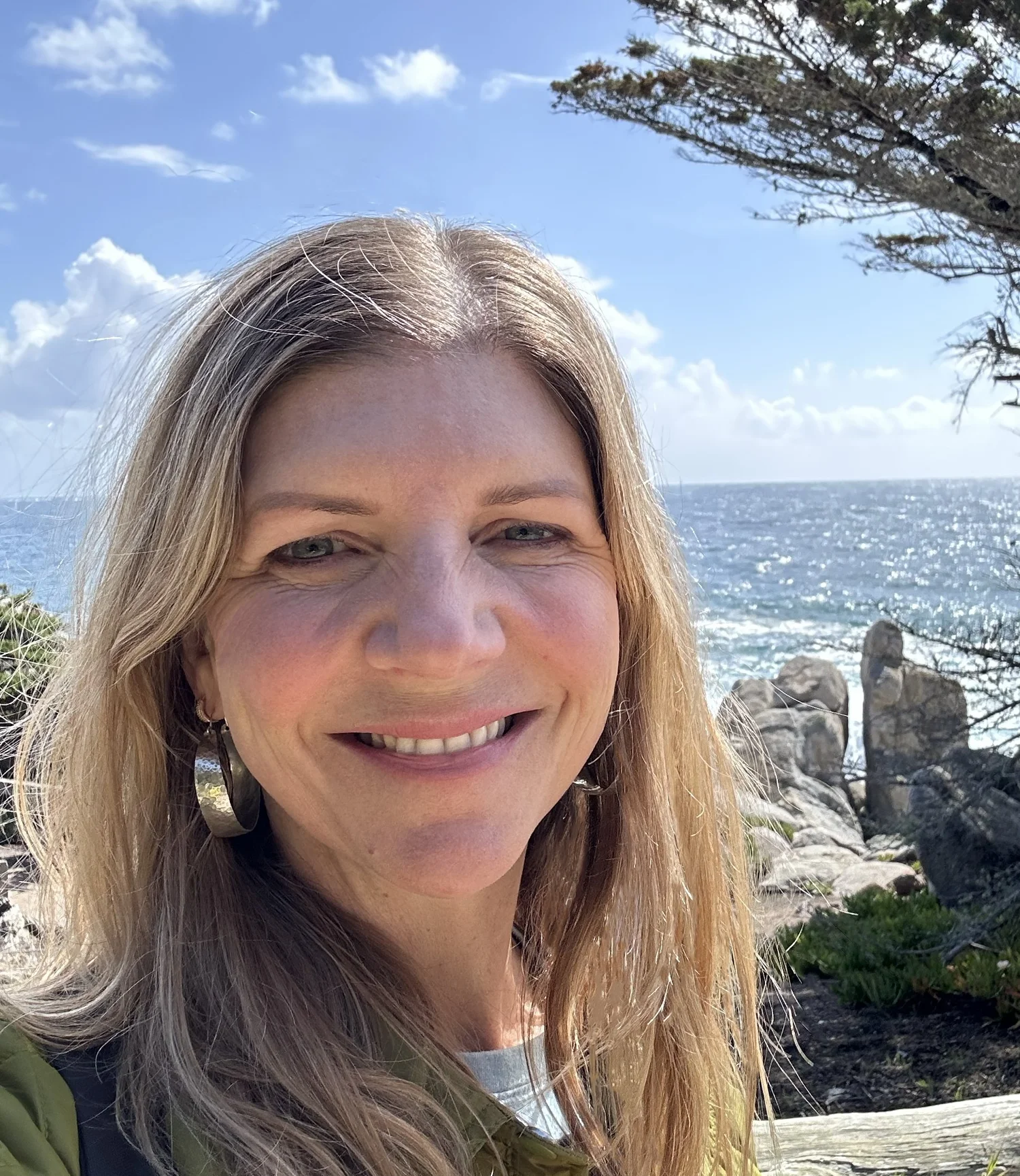
Children · Teens · Adults · Couples
Parents of children with disabilities, Teens & families, Neurodivergence, Addiction & recovery, Chronic pain, trauma, anxiety & depression
View Amy’s profile →Email Amy ↗Email links open a draft addressed directly to your chosen therapist. Please leave out sensitive or detailed health information.